
Improving Deck Durability Through Coating Science
Wood and concrete decks often serve as centerpieces for outdoor living, yet they face a harsh reality. Weather, foot traffic, UV exposure, and moisture gradually wear away surfaces that were once clean, level, and safe. Maintenance usually follows a cycle—clean, reseal, patch—until the material fails. What changes that cycle isn’t a better sealant or paint but a shift in material approach. That shift now points toward polymer-based coatings, particularly polyurea, which offers long-term durability that conventional methods struggle to match.
Surface Vulnerability and Why Standard Solutions Fall Behind
The typical deck, whether wood-framed or concrete-poured, begins to deteriorate the moment it’s exposed. Sunlight breaks down finishes. Rain penetrates sealants. Mold forms in gaps, and temperature swings cause expansion that cracks rigid coatings. Traditional stains or paints provide an initial barrier but rarely bond deeply with the substrate. When peeling starts, the system begins to fail from within.
The limitations of these products stem from how they interact with the deck material. Most sit on top, rather than fuse with it. This leaves room for delamination, blistering, or trapped moisture. Over time, even surfaces that look intact may hide rotted cores or fine surface cracks that grow larger with each season.
To solve these problems, some deck owners now look to alternatives used in industrial and commercial construction. Among these, polyurea has become a standout, offering a balance of flexibility, adhesion, and surface protection that adapts to real-world conditions.
Polyurea and the Chemistry of Long-Term Deck Protection
Unlike acrylics or epoxies, polyurea forms through a rapid chemical reaction that produces a dense, elastic coating. This membrane not only resists cracking and peeling but also stretches slightly with the deck as it expands or contracts. That property alone extends the coating’s service life, but the real advantage lies in its bond to the surface.
With proper preparation, polyurea anchors directly to the deck substrate. That connection eliminates the air gaps and surface flaws that often undermine traditional finishes. Water can’t seep beneath it, and temperature shifts don’t break it apart. The result isn’t just water resistance—it’s structural stability at the coating level.
Deck builders and restoration professionals who use polyurea deck coating often find that the material reduces long-term labor and replacement costs. A well-applied polyurea system does not require seasonal reapplication, and it stands up to foot traffic, furniture, and weather without cosmetic breakdown.
Application and Performance in Varying Conditions
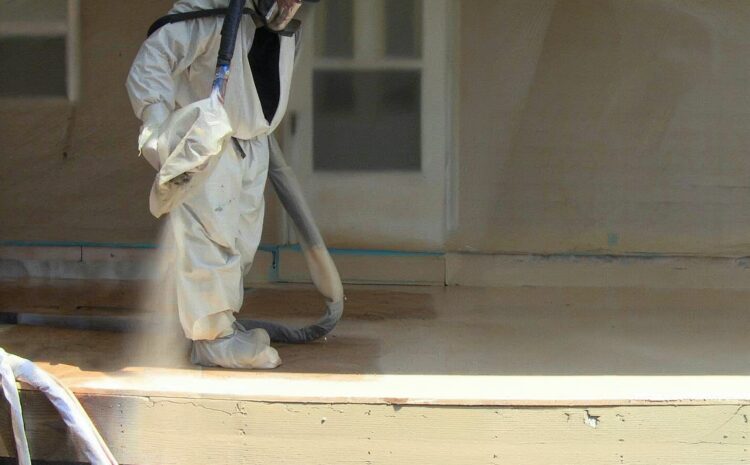
Applying polyurea requires a different mindset than brushing on a sealant. The equipment, mixing process, and surface prep demand attention to detail. Polyurea reacts and cures quickly, so timing and technique matter. However, with proper setup, the system works on both new construction and restoration jobs.
Spray rigs, particularly those designed to deliver consistent pressure and ratio control, make application more efficient. Recent improvements in polyurea rigs have allowed applicators to cover larger surfaces without losing detail at the edges or seams. This makes polyurea practical not only for commercial rooftops and industrial floors but for residential and multi-family decks.
Because polyurea systems tolerate a wide range of environmental conditions, they can be used in hot, humid climates or colder regions where freeze-thaw damage occurs regularly. The same coating that protects a loading dock in winter also holds up against UV rays in a coastal backyard.
Deck Design, Aesthetic Flexibility, and Material Strength
Some homeowners hesitate to use polyurea out of concern it might look too industrial. But finishes can be adjusted. The surface can be left textured for slip resistance, sprayed smooth for a minimalist appearance, or layered with pigments to match existing trim or stonework. In these ways, polyurea complements the design language of a deck rather than disrupting it.
More importantly, it enables design freedom by protecting the structure beneath. Builders can extend deck square footage with less worry about maintenance burdens. Raised platforms, walkways, or stairs coated in polyurea maintain consistent traction and color even in exposed conditions.
For those interested in understanding how a polyurea deck performs across seasons, case studies have shown it resists not only water and UV but also oils, grease, and cleaning agents. This makes it a strong choice for entertaining areas, outdoor kitchens, and even hot tub platforms where splashing and spills are common.