
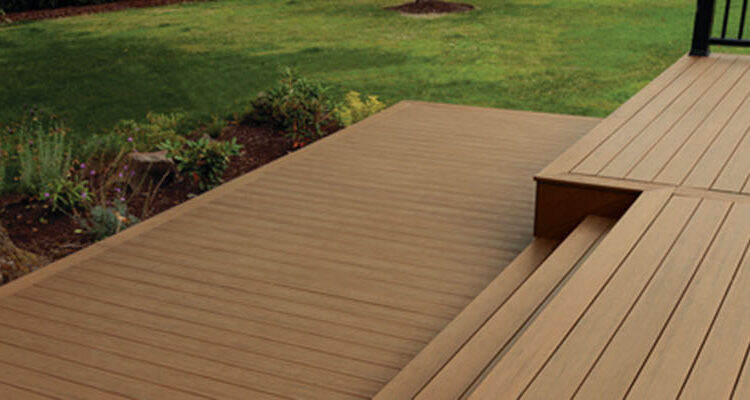
##Building a Better Deck: Key Elements to Consider
Constructing a deck is a rewarding project that enhances your outdoor space. A well-built deck serves as a functional area for relaxation and entertainment. This article delves into the important factors of deck construction, focusing on materials and protective coatings to ensure your project withstands the test of time.
Choosing the Right Materials
Selecting the right materials is vital for deck construction. Many homeowners opt for wood, composite, or aluminum. Each option comes with its benefits and drawbacks.
Wood Options
Most commonly used wood types include pressure-treated pine, cedar, and redwood. Pressure-treated pine is budget-friendly and offers durability. Cedar and redwood provide beautiful aesthetics but may require more maintenance over time. It is important to note that untreated wood will rot without proper care.
Composite Materials
Composite materials combine wood fibers with plastic. This option offers strong durability without the need for regular maintenance. It resists splintering and fading, making it an appealing choice for many. However, composite materials often come at a higher price point.
Aluminum Decking
Aluminum presents another strong option. This material stands up well against moisture and pests. It is lightweight and can withstand extreme weather conditions better than other materials. However, aluminum may lack the warm look of natural wood.
Understanding the Deck Design
The design of your deck is crucial. A well-thought-out design complements your home and meets your needs. Start with the layout—consider the shape and size based on the available space and intended use. Think about the flow of movement between indoor and outdoor areas. Ensure the deck integrates seamlessly with your landscape.
You might also consider railings and steps. These elements not only add safety but also enhance the visual appeal. Opt for materials and styles that coordinate with the rest of your home.
Preparing the Site
Before construction begins, proper site preparation is essential. First, check for local building codes. Most areas require a permit for deck construction. Additionally, familiarize yourself with property lines to avoid disputes with neighbors.
Next, clear the area where the deck will sit. Remove any plants, rocks, or debris. Ensure the ground is level. If the area slopes, you may need to dig post holes deeper on one side or use additional supports.
The Importance of Joists and Beams
Joists and beams frame the deck and provide structural support. Joists run parallel to the house and must be spaced evenly apart, typically at 16 or 24 inches. They carry the weight of the deck surface. Beams sit perpendicular to the joists and distribute the load to the posts.
Use pressure-treated lumber for both joists and beams. This wood type resists moisture and insect damage. Proper installation of joists and beams ensures a solid foundation for the deck surface.
Applying Protective Coatings
After constructing the deck, protecting it with coatings is vital. Protective coatings shield the material from the elements, prolonging its lifespan. Different materials require various types of coatings.
Wood Coatings
When it comes to wooden decks, stains and sealants are important. A good stain penetrates the wood, providing protection against moisture while enhancing its natural beauty. Clear sealants offer a transparent layer, preventing water intrusion but may not provide a rich color.
For painted decks, choose an exterior-grade paint formulated for wood. Paint not only changes the color but also offers a thick barrier against wear and weather.
Composite and Aluminum Coatings
Composite decking typically does not require staining like wood. However, cleaning it with a gentle soap solution ensures the surface remains attractive. For aluminum decking, a simple wash with soap and water keeps it looking fresh. Avoid abrasive materials that could scratch the surface.
Regular Maintenance
Regular maintenance ensures your deck remains functional and visually appealing. Inspect the deck frequently for signs of wear or damage. Check for loose boards, cracks, or fading paint. Timely repairs can prevent more significant issues down the road.
Annual cleaning is an essential part of maintenance. For wood, scrub surfaces and look for areas that need refinishing. For composite and aluminum, a wash with soap and water suffices.
Final Thoughts
Deck construction is a project that can enrich your home and lifestyle. By choosing the right materials and protective coatings, you safeguard your investment and increase its longevity. A well-constructed deck enhances your outdoor space’s beauty and functionality. Take the time to plan and execute each step carefully, and your deck will serve you well for years to come.