
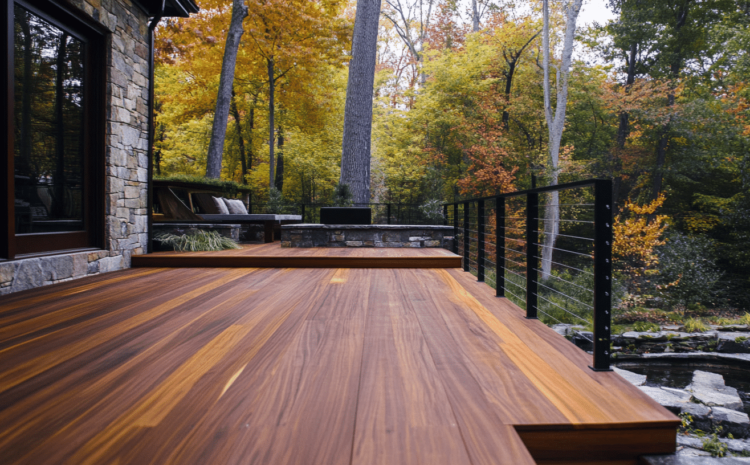
#Building a Strong Deck: A Guide to Construction and Protection
When you decide to build a deck, you take on a project that enhances your outdoor space. A well-constructed deck provides a sturdy area for relaxation, entertainment, and family gatherings. This article explores the essential steps in deck construction, along with the importance of protective coatings.
Planning Your Deck
Before you begin construction, take time to plan. Visualize how you want your deck to look and function. Consider the shape, size, and location. Think about whether it will have stairs, railings, or any features like built-in seating. Discussing your ideas with family or friends can help clarify your vision.
Next, check your property lines and zoning laws. Local regulations may dictate how high you can build your deck or whether you need a permit. By understanding these requirements early, you can avoid issues later on.
Selecting Materials
Choosing the right materials is crucial. You have options such as wood, composite, and PVC.
Wood offers a classic look and feels great underfoot. Cedar and redwood resist moisture and pests, making them popular choices. However, wood requires regular maintenance, including staining and sealing.
Composite materials combine wood fibers and plastic. They resist fading, mold, and splintering. This choice offers durability and lower maintenance, yet it can come at a higher upfront cost.
PVC presents another alternative. It’s lightweight and water-resistant, making it ideal for high-moisture areas. While PVC doesn’t require much maintenance, it often lacks the warmth of wood.
Ultimately, your choice should reflect both your aesthetic and practical preferences.
Building the Frame
Once you select your materials, you can begin constructing the frame. Start by laying out the posts according to your design. Use a level to ensure that they stand straight. Secure them in concrete to provide stability.
Next, add beams to connect the posts. These support the structure. After the beams are in place, lay the joists across the beams, using suitable spacing to ensure strength and support. Always double-check your measurements as you proceed to avoid costly mistakes.
Installing the Decking
With the frame complete, the next step is installing the decking planks. Lay the planks perpendicular to the joists, allowing water to drain effectively. Use screws rather than nails to secure the planks, as screws provide a tighter grip and help reduce the risk of warping over time.
Leave a slight gap between the planks. This gap allows for drainage and air circulation, which is vital for preventing mold and wood rot. As you install the decking, continue to check that everything is level.
Adding Safety Features
Your deck must be safe for use. Install railings if your deck stands more than a certain height—often defined by local safety codes. Choose a railing style that complements your deck and home design. Additionally, consider adding non-slip materials if your deck tends to get wet.
Making this a safe space will enhance your enjoyment. It will also provide peace of mind for family and guests.
Finishing Touches
Once the construction is complete, you may want to add extra features. Built-in benches or flower boxes can elevate your deck’s usefulness and charm. You might also think about installing outdoor lighting, which enhances safety during the evening.
Protecting Your Deck
To ensure your deck lasts, consider applying a protective coating. Coatings help shield your deck from the elements. Sun, rain, and temperature variations can degrade materials over time.
Wooden decks benefit from sealants that penetrate the wood. These products protect against moisture and UV rays. On the other hand, composite materials often do not require as much maintenance, but a light wash can help maintain appearance.
Before applying any coating, clean the surface thoroughly. Remove dirt, mildew, and old stains. This process prepares the surface for better adhesion. Follow the manufacturer’s instructions for application carefully, ensuring even coverage.
Applying protective coatings regularly extends your deck’s lifespan and retains its beauty.
Maintenance and Care
Routine maintenance keeps your deck in excellent shape. Sweep away debris and clean any spills promptly. Regular inspections are important too. Look for signs of wear, like loose boards or rusted screws.
In spring and fall, dedicate some time to deeper cleaning. Use a mild detergent and brush to remove dirt or mildew buildup. This cleaning not only improves appearance but also helps identify any issues early.
Conclusion
Constructing a deck involves thoughtful planning, skilled craftsmanship, and attention to detail. Your deck can become a welcoming space for family and friends when built correctly. Protecting it with appropriate coatings ensures its longevity and beauty. Through proper care and maintenance, your deck will serve you well for years to come.
Building a deck brings satisfaction, and with the right approach, it can become a cherished part of your home. Embrace the journey of construction and enjoy the rewards it provides.