
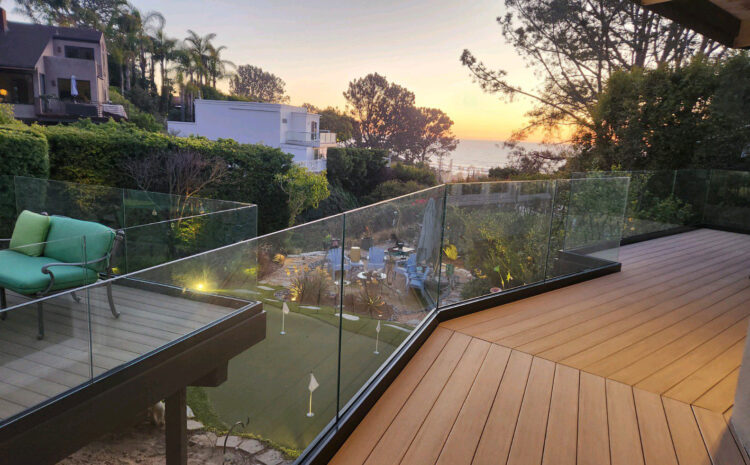
Building a Durable Deck: Essentials You Need to Know
Building a deck not only enhances a property but also provides a space to enjoy the outdoors. Constructing a sturdy deck involves careful planning and execution. Understanding the materials, tools, and protective coatings plays an important role in ensuring longevity and safety.
Choosing the Right Materials
Selecting the right materials is the first step in deck construction. Homeowners often weigh options between wood and composite materials. While wood offers a classic look, it requires regular maintenance. Softwood options like pine or cedar often warp and shrink over time. Hardwoods like teak or mahogany resist these changes better, but they come at a higher cost.
Composite decking, made from a mixture of plastic and wood fibers, offers a modern alternative. It resists rotting and insect damage, reducing maintenance needs. This material comes in various colors and textures, allowing homeowners to choose a style that fits their vision.
Understanding Structural Elements
Every deck relies on a strong structure. The foundation typically consists of concrete footings that anchor the posts. These posts support beams that hold the joists—the horizontal planks that form the deck’s surface. Proper spacing between the joists ensures even support and prevents sagging.
The deck’s frame should meet local building codes. Homeowners should check regulations before starting the project. Following these guidelines helps ensure safety and compliance.
Importance of Proper Design
Designing a deck involves more than just choosing materials. Homeowners need to consider shape and size. A well-planned layout enhances usability and can increase property value. When deciding on shape, think about how the deck will integrate with the existing space. A linear design suits smaller areas, while a multi-level deck can create visual interest in larger yards.
Incorporating features like railings, stairs, and built-in seating adds functionality. It’s crucial to choose railings that not only meet safety requirements but also match the overall style of the deck.
Installing the Deck
The deck installation process can be straightforward with careful planning. Begin by setting the footings and installing the posts. Make sure the posts are level, as uneven support can lead to structural issues.
Next, attach the beams to the posts. This step requires precision. The beams must be perfectly level to ensure even support for the joists. Once the beams are in place, lay out the joists. Ensure they are equally spaced to distribute weight properly.
Finally, install the decking boards. This top layer should be fastened securely to the joists. Choosing the right screws or hidden fasteners will improve the deck’s appearance and longevity.
Maintenance and Care
Decks require regular maintenance to ensure they last. Cleaning is essential in removing dirt and debris that can cause damage over time. A simple wash with soap and water, or a pressure wash, usually suffices.
After cleaning, applying a protective coating is crucial. This step helps shield the deck from moisture, UV rays, and harsh weather. Various coatings are available, from sealants to stains. Selecting the right one depends on the material of the deck. For wooden decks, a high-quality water-repellent wood sealer provides protection. For composite decks, opt for a UV-blocking coating.
Regular maintenance and timely protective coating applications extend the life of the deck, ensuring it remains a safe and enjoyable space.
Why Protective Coatings Matter
Protective coatings serve multiple functions. They prevent moisture penetration, which can lead to rot in wooden decks. They also provide a barrier against UV rays. Prolonged exposure to sunlight causes wood to fade and composite materials to lose their luster. By applying a protective coating, homeowners can preserve the appearance and functionality of their decks.
In addition to protecting physical integrity, coatings can enhance aesthetics. Stains come in various colors and transparencies. Homeowners can choose a finish that complements their home while maintaining the natural beauty of wood.
Regularly inspecting and reapplying these coatings will help maintain the deck’s quality. A well-maintained deck looks inviting and can prolong the life of the material, making it a worthwhile investment.
Conclusion
Building a durable deck requires attention to detail and a clear understanding of materials, design, and maintenance. Homeowners can create a safe and attractive outdoor space by choosing appropriate materials and incorporating protective coatings. This process, while requiring effort, pays off in the long run. A well-built deck invites relaxation and enjoyment for years to come.