
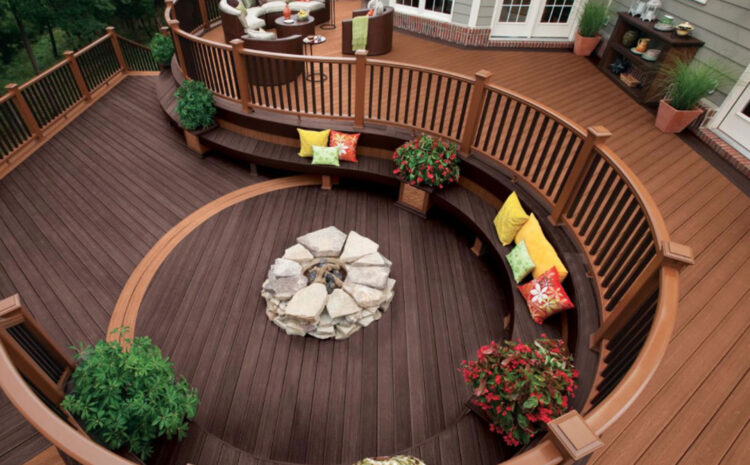
Building the Perfect Deck: A Guide to Construction and Protection
Constructing a deck can enhance your outdoor space. A well-built deck offers a place for relaxation, gatherings, and enjoyment of nature. Understanding deck construction ensures a sturdy, long-lasting structure. This article discusses the construction process and highlights the importance of protective coatings.
Understanding Deck Design
Before starting construction, you need a solid design. Consider your yard’s layout, the view, and how you plan to use the space. A great design balances function with aesthetics. Think about features like railings, steps, and built-in seating. A carefully thought-out design enhances the deck’s flow and usability.
In addition to functionality, aesthetics play a crucial role. Choose materials that blend well with your home and landscape. This choice sets the tone for the entire project. A natural look can create a cozy atmosphere, while a modern design can evoke elegance.
Selecting Materials
The choice of materials significantly affects the deck’s durability and appearance. Traditionally, wood has been the go-to option. It offers a classic look. However, wood requires regular maintenance.
Composite materials have gained popularity. They are often made from recycled wood and plastic. This blend gives them durability and weather resistance. Unlike wood, composites do not splinter and do not require frequent painting or staining.
When selecting materials, consider local climate conditions. Certain materials perform better in particular weather. For instance, cedar and redwood offer natural resistance to insects and decay. However, they still need protective treatment to extend their life.
Planning the Build
Once you select materials and create a design, it’s time to plan the construction. Establish a clear timeline and gather necessary tools and resources. Basic tools often include saws, drills, and hammers. Each tool plays a role in shaping the framework of the deck.
Next, focus on the foundation. A strong foundation is essential for stability. Ensure the ground is level. This step simplifies further construction. Dig postholes for the support beams, and ensure they meet local building codes.
Removing any debris or vegetation from the construction area helps maintain a clear workspace. Start by placing the support posts in the holes and securing them. Use concrete to anchor these posts firmly in place. This method provides solid footing for your deck.
Deck Framing
Framing creates the skeleton of your deck. Begin with the perimeter beams. Attach them to the posts to establish the outer outline of the deck. Ensure all connections are secure. Use the level to confirm the beams are straight and even.
Next, add the joists. These boards provide support for the deck surface. Space them evenly to prevent sagging underweight. Proper spacing ensures strength and stability.
This framing process might seem complex at first. However, careful attention to detail goes a long way. Each component plays a critical role, and a secure frame forms the foundation for the entire structure.
Installing the Surface
With the frame in place, it’s time to install the surface boards. This step brings your deck to life. Choose boards that match your aesthetic and feel sturdy underfoot.
Make certain to stagger the seams of the surface boards. This technique adds strength and reduces the chance of cracks over time. Secure each board with proper fasteners. Stainless steel screws or hidden fastening systems minimize visible hardware and enhance the overall appearance.
Regular maintenance of your deck surface prevents long-term damage. A clean surface invites smooth usage, while weather elements can cause deterioration over time.
Applying Protective Coatings
After establishing the deck surface, focus on protective coatings. These coatings guard against moisture, UV rays, and wear. Even the best materials benefit from protection.
Choose a suitable stain or sealant that aligns with your material. For wooden decks, a penetrating stain offers maximum protection. It seeps into the wood, creating a barrier against moisture. Meanwhile, solid stains provide a uniform color while still allowing the grain to show.
For composite decks, opt for a UV protectant that reduces fading. These coatings provide an extra layer of defense, increasing the longevity of your deck’s appearance. Regular application maintains both color and texture.
Final Touches
Once the protective coatings have dried, assess your deck’s final appearance. Add personal touches with furniture, planters, and lighting. These elements enhance the deck’s usability and charm.
Consider safety features as well. Well-placed railings and non-slip surfaces create a secure environment. Proper edges and step design ensure safety for everyone who uses the space.
Conclusion: The Lasting Reward
Building a deck involves careful planning, selection, and execution. By understanding the fundamentals of deck construction and the importance of protective coatings, you create a space that provides joy for years. The effort you invest in quality materials and protective measures pays off through years of use and satisfaction. Embrace the process, and you will enjoy the outcome long after the project is complete.